
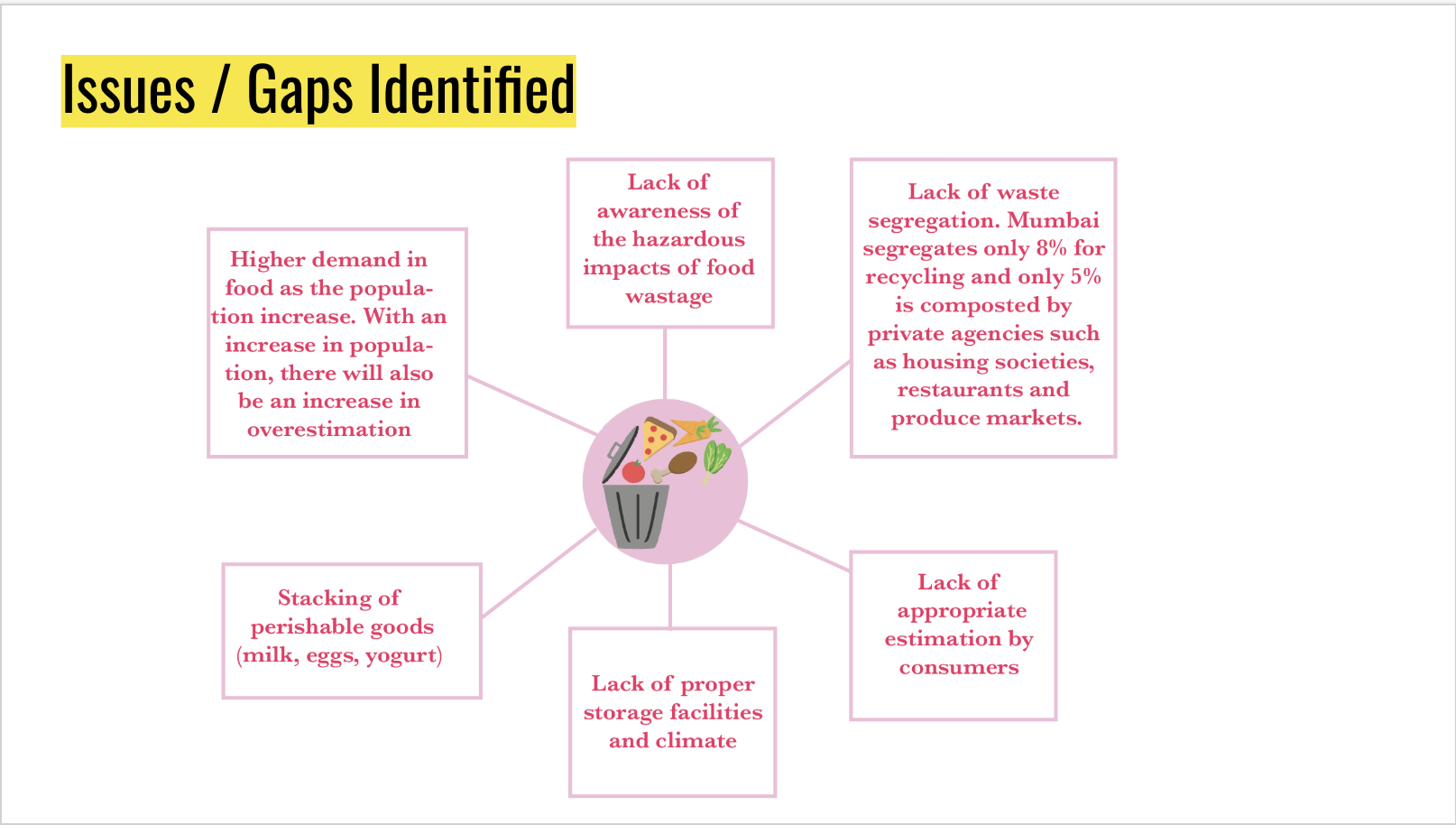
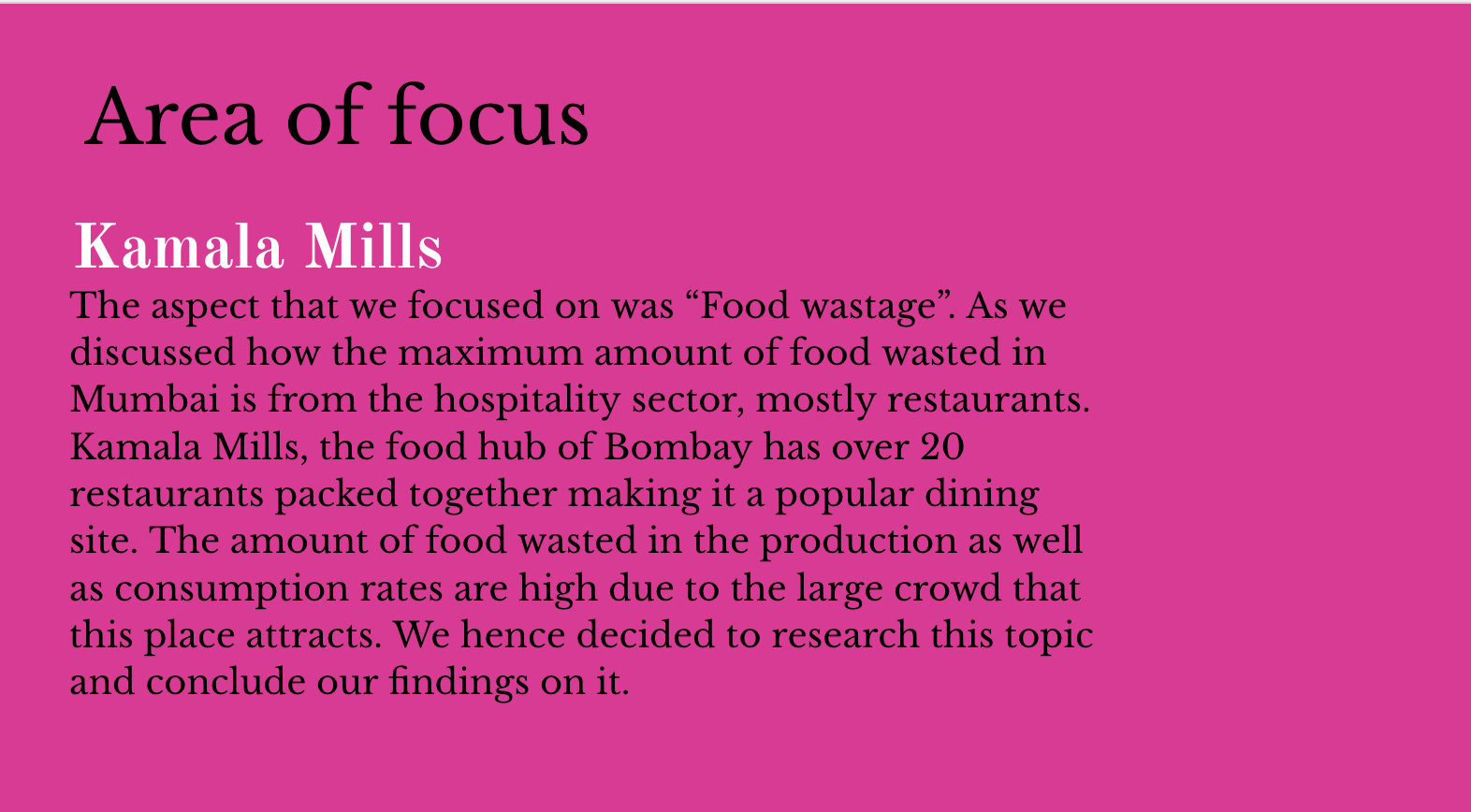
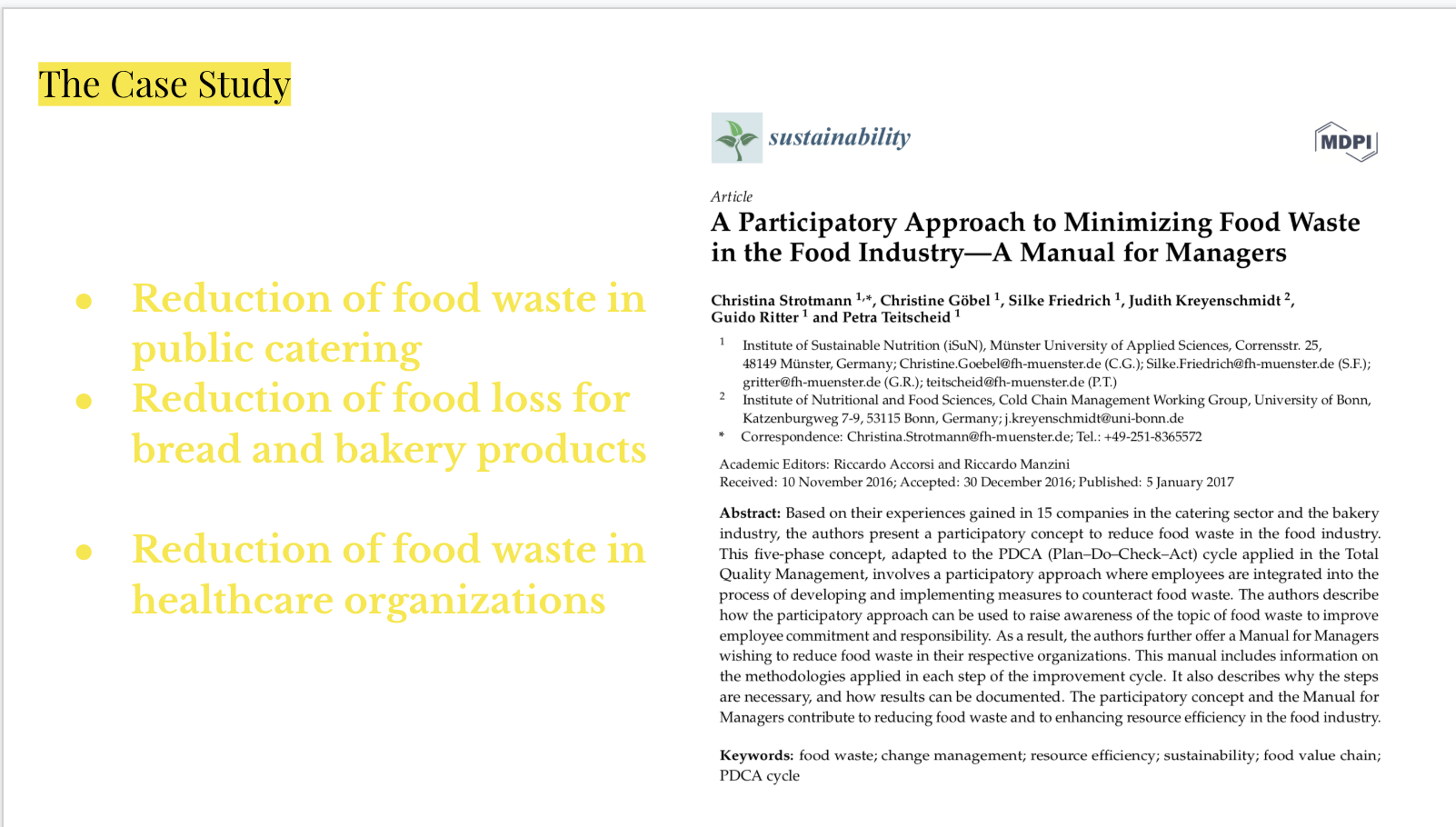
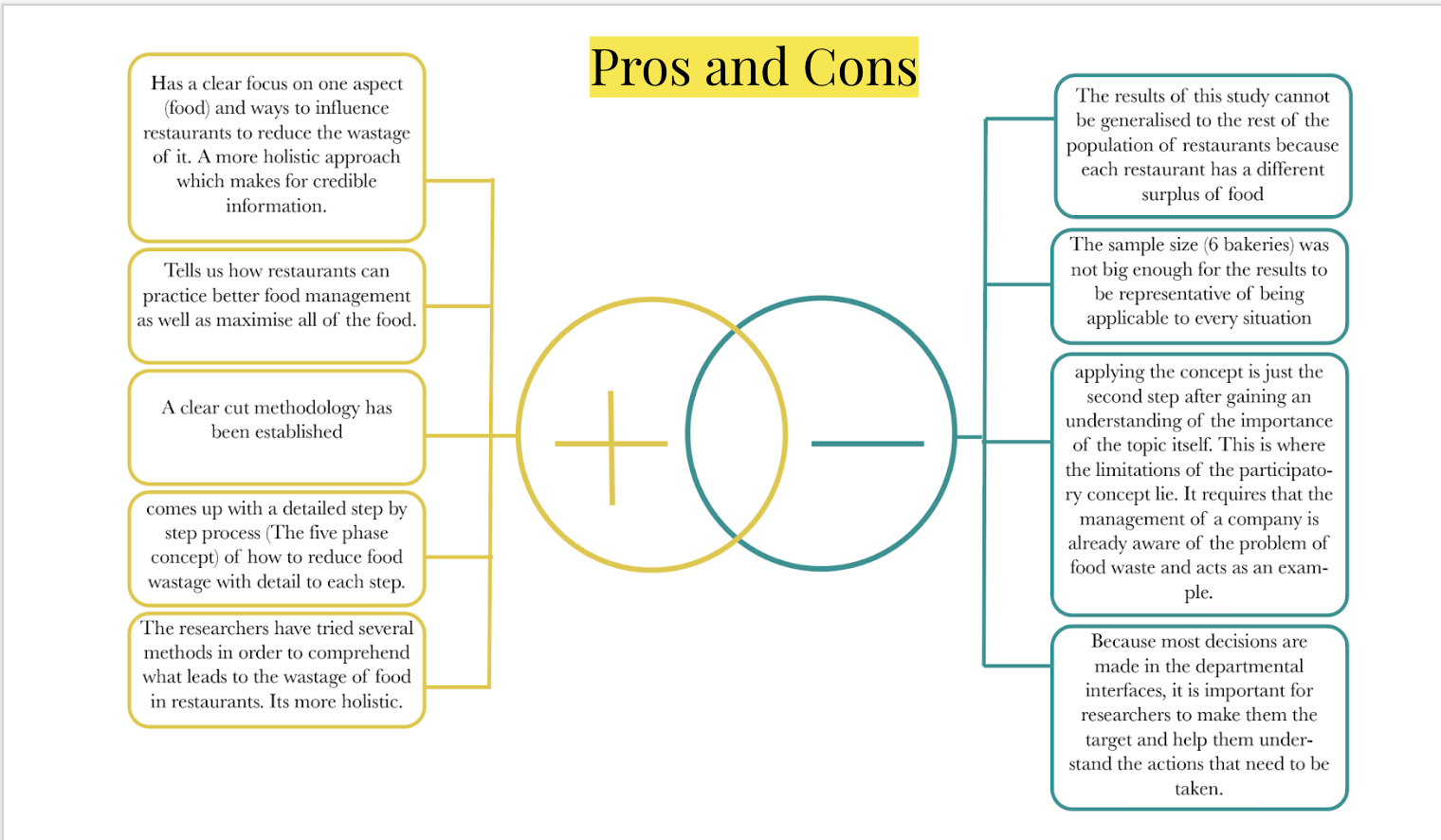
In this session of our sustainable systems class, we presented our macro-level study based on our site “Kamala Mills.” When we visited the site, we learned the pattern of several fast food restaurant chain and fine dinning restaurants. Both have one thing in common when questioned about the reasoning behind the wastage of food: overestimation. We asked the managers there if they took initiatives to reduce the amount of waste, but all of them stated that because of the unpredictability of the customers coming in everyday, overestimation was the recurring issue. We then came across a study conducted in Germany, where researchers targeted bakeries and provided managers with a five phase step by step method to alleviate the issue of food waste in their bakeries. We thought that this approach would be more effective, because not only does it give the managers steps to solve the problem, but also raises awareness of it, which is the main issue Mumbai as a city and other places across the world also face.
Our presentation:



Recommendations (Explained):
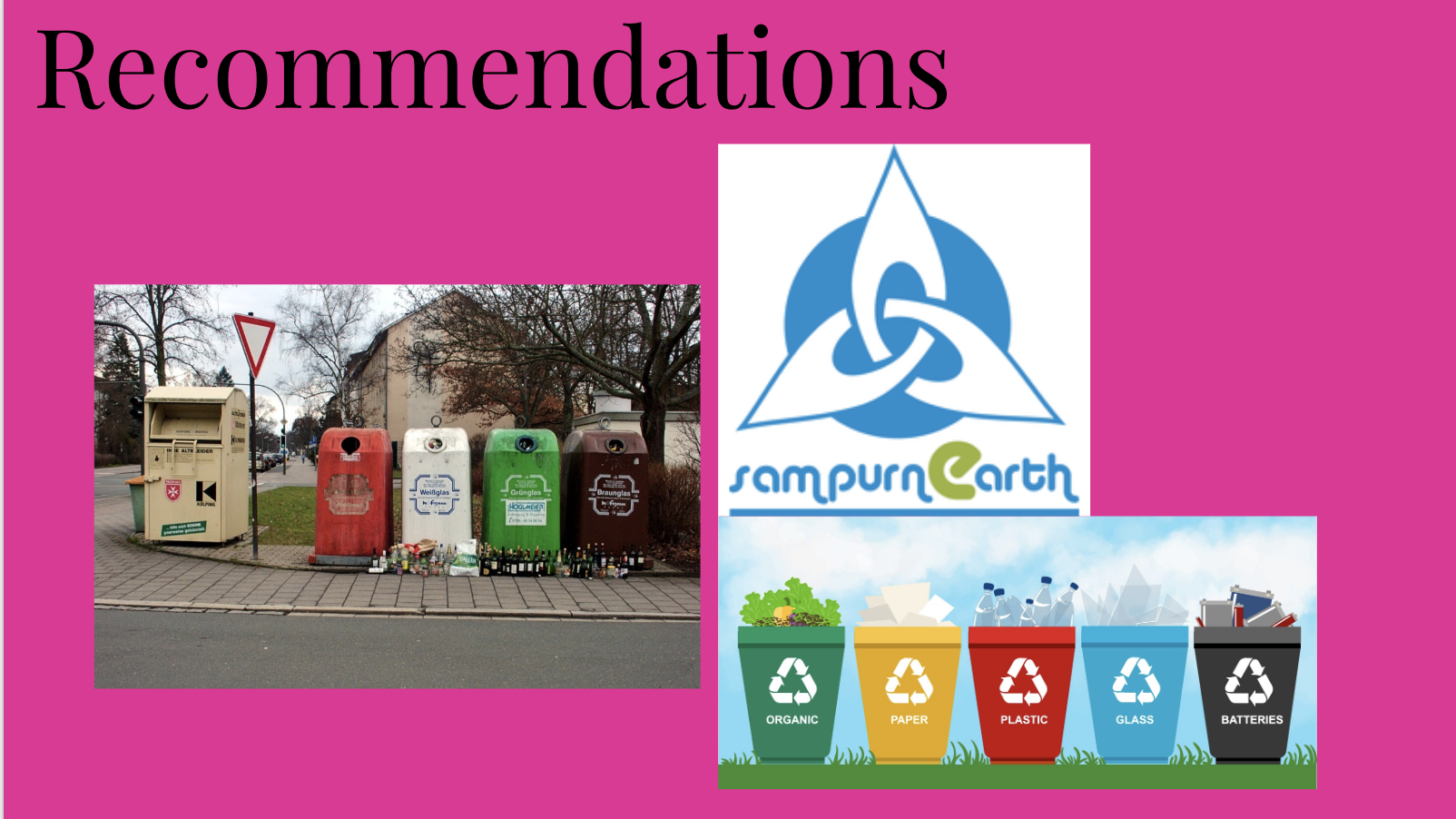
We also brainstormed possible recommendations to reduce the wastage of food. As we roamed around the streets of Mumbai, we noticed that the city tends to only separate wet and dry waste. But when we look closer, we realise that both of these categories are multi faceted. Mixing all of dry waste together can be hazardous for the environment, therefore, it is best to create more categories such as organic, paper, plastic, class batteries, etc. This could create a more systematic segregation of waste.
 🧿AYUSHI MODI 🧿